The workshop “Body and Nature” traverses an epistemological construct typical of Amazonian society, inviting participants to experience multiple forms of presence: sometimes as a body-instrument, sometimes as a collective vessel, sometimes as a support for artistic, symbolic, and communicative intervention with nature through the discovery of painting.
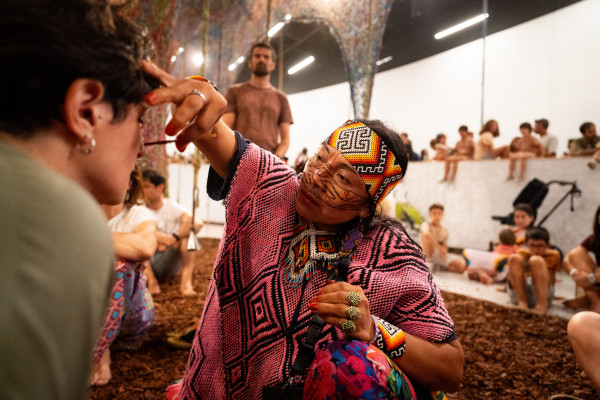
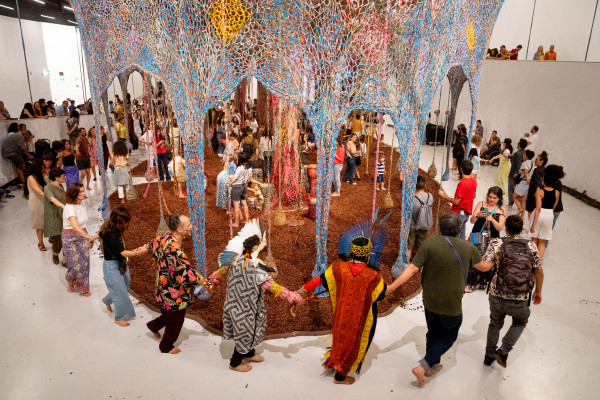
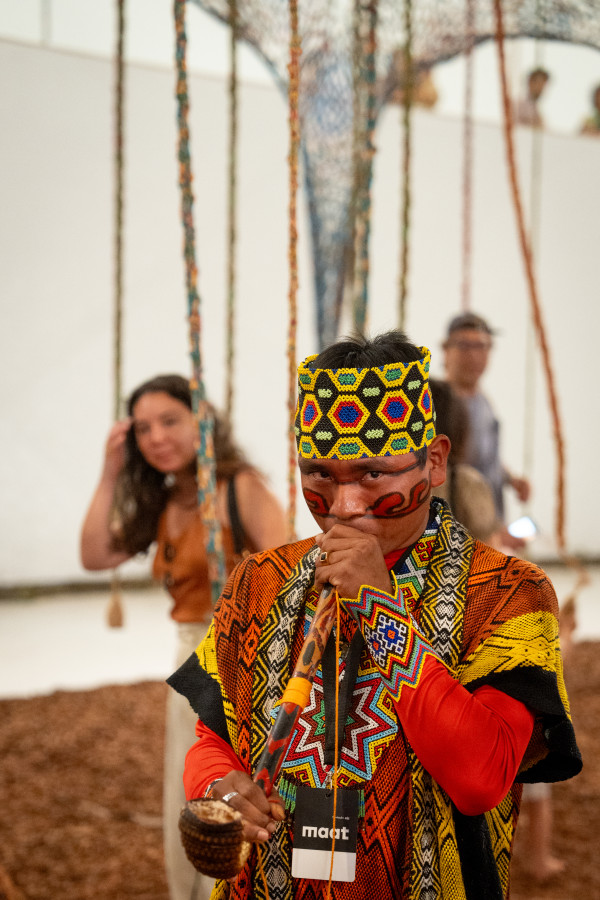
Designed for the BoCA Summer School program, the workshop “Body and Nature” explores an epistemological construct specific to Amazonian society, inviting participants to experience multiple forms of presence: sometimes as a body-instrument, sometimes as a collective vessel, sometimes as a support for artistic, symbolic, and communicative intervention with nature through the discovery of painting.
Guided by Amerindian perspectivism, this workshop proposes a practice and reflection on the role of art in strengthening bodies in Huni Kuin society. When they are born, for example, children are painted with ink extracted from genipap, so that the chants can penetrate the skin and consolidate their vitality—one of many rites that intertwine worlds and sustain a non-dualistic view of life.
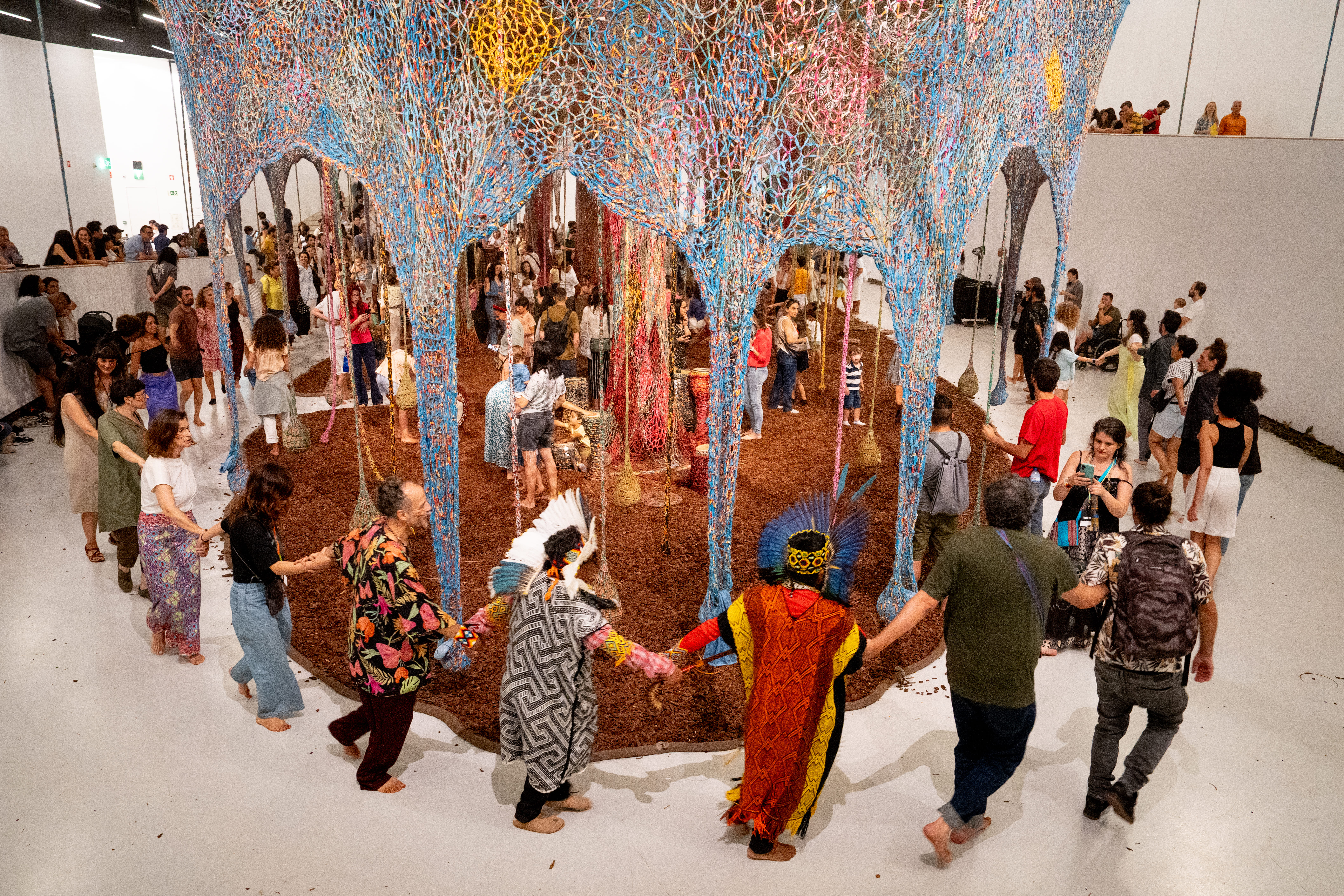
After two days of sharing, the training culminates in a ritual performance by Katxa Nawa, which brings together dance, song, and movement in a participatory practice that evokes fertility and power for humans, plants, and animals.
Biography
Zenira Neshane Huni Kuin
Zenira Neshane is the daughter of Maria Sabino Huni Kuin and Sabino Ixã Huni Kuin, two important leaders of the Huni Kuin people. From an early age, Neshane learned from her mother about handicrafts, graphic design, cooking, and the knowledge of women within the tradition of her people. In addition to being a teacher and artisan, she is one of the few Huni Kuin women recognized as a “shaman,” as she has extensive knowledge of her people’s traditional medicine practices. Neshane is also a pioneer of the Huni Kuin feminist movement, being one of the first women from her indigenous land to leave the territory, conducting workshops and cultural exchange activities in different states of Brazil and abroad.
Sabino Two Owls
Sabino Dua Ixã is a Huni Kuin elder who acts as a political and spiritual leader. He lived and worked in the rubber plantation, actively participated in the struggle for the demarcation of his lands, and studied with great shamans to become one of the greatest masters of Huni Meka (ceremonial songs) of the Huni Kuin people. Sabino lives with his entire family in one of the most remote villages of the Upper Jordan River, a place where very few consumer goods from the city arrive and where a deep connection with the land is maintained.
What is Nixiwaka?
Txaná Nixiwaka Huni Kuin belongs to a young generation of Txanás, or shaman artists, from the most remote village on the Jordan River. Since childhood, he has devoted himself to studying traditional songs, painting, and drawings related to his people’s traditions. He is married to one of the granddaughters of Sabino Dua Ixã, his teacher, who invited him to leave his village for the first time to represent his community.