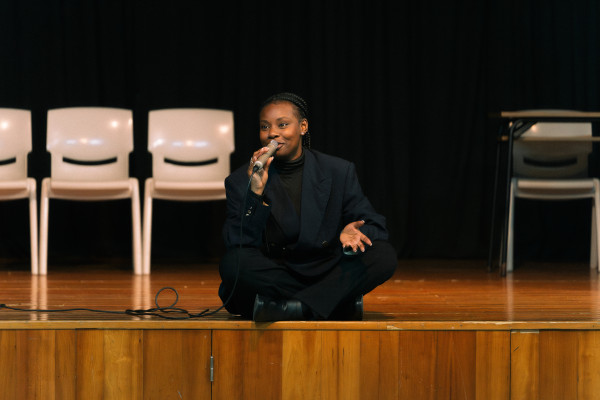
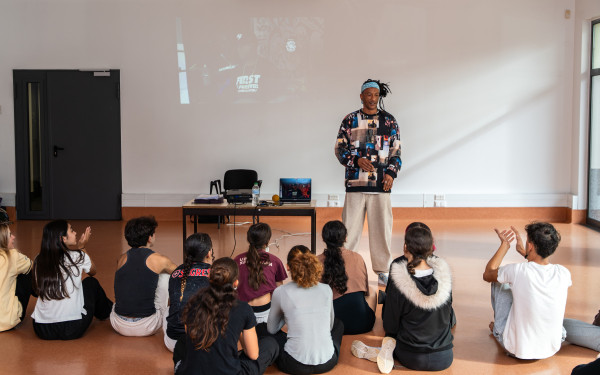
In this workshop, former flamenco musician Niño de Elche proposes that we understand voices as a vector for a wide variety of identities, more as a facilitating lie than as pure and authentic truth.
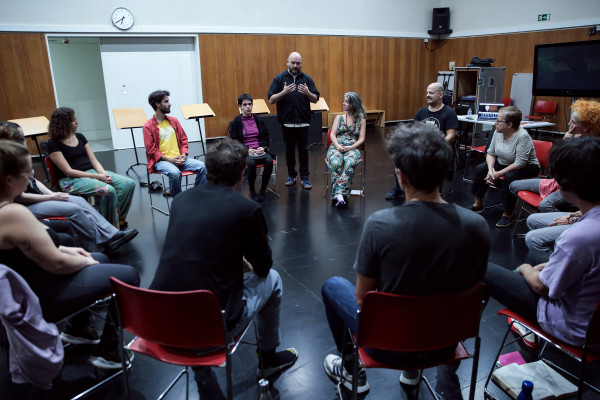
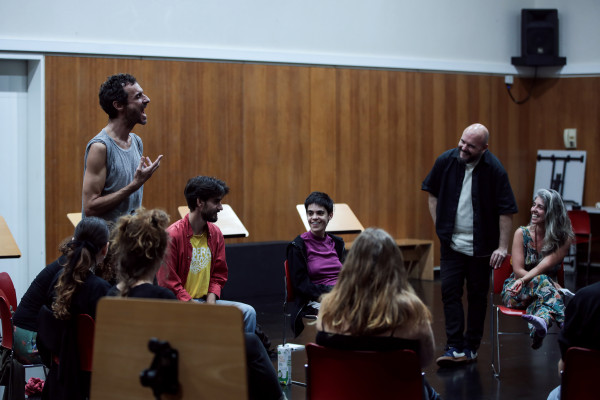
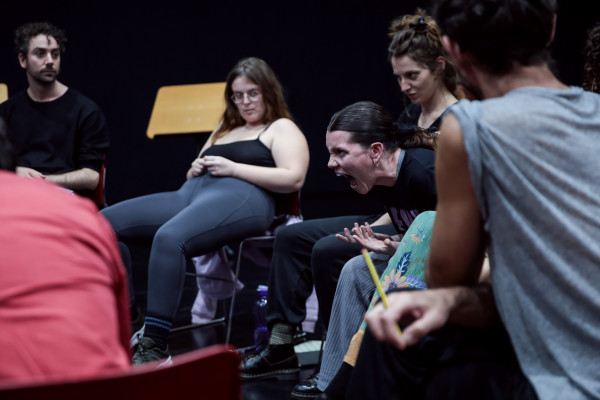
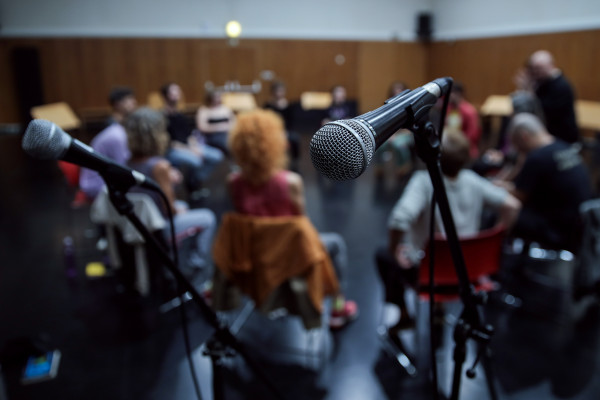
A voice workshop is a space where voices are worked on, that is, where air and soul are sculpted. Voices are a constant product of the body, passing through resonance tubes that are also composed of flows, liquids, and an endless variety of different fluids. Each human being is composed of dozens of voices that constitute a wide variety of identities. Thus, in this workshop, the “ex-flamenco” musician Niño de Elche proposes that we understand voices more as a facilitating lie than as a pure and authentic truth.
There are voices that are broken, torn, clean, dirty, but also tired, sweaty, exhausted, alive. Voices as a dialogue between the interior and the exterior, between the deepest self and what is constructed from the common. Voices as a materialistic phenomenon, but also as a spiritual achievement. The voices that sound and the voices that are imagined can be the same, as long as we recognize ourselves in them. A voice in the distance always implies a suspended listening to what is to come. Shall we listen to it?
Biography
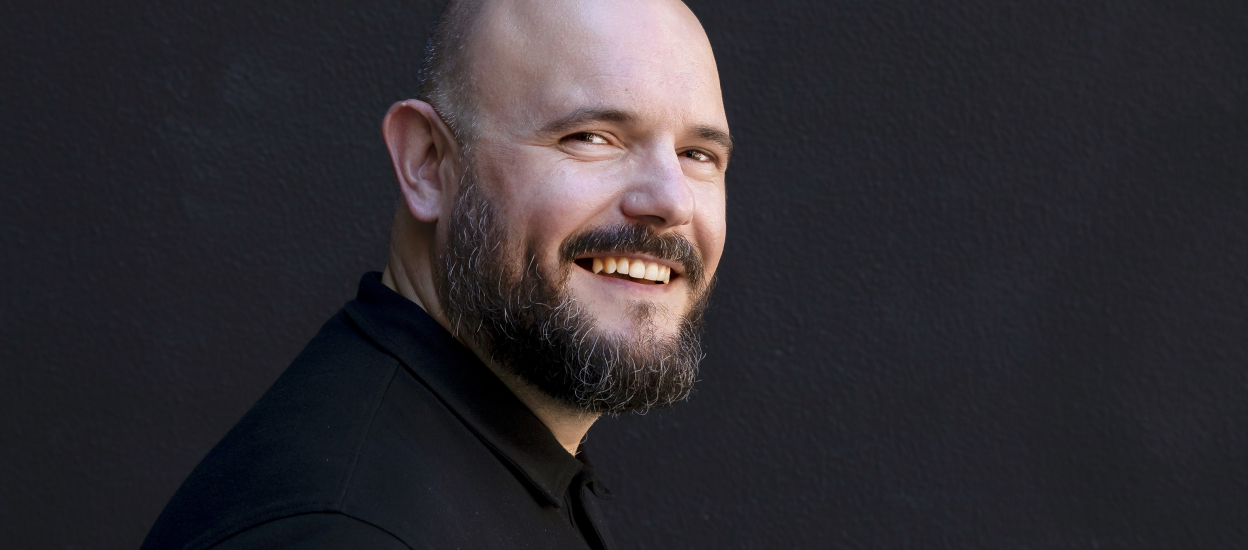
Niño de Elche (Elche, Spain, 1985. Lives in Madrid, Spain) is an undisciplined artist and former flamenco dancer who manages to combine genres such as flamenco, free improvisation, krautrock, electronic, electroacoustic, and contemporary music with poetry, performance, dance, and theater in his various artistic projects.
The hybrid nature of his work is revealed in the heterogeneity of the projects he is capable of responding to as an artist and musician. From his participation in documenta 14 with the show “La farsa monea,” alongside artists Pedro G. Romero and dancer Israel Galván, to his musical collaboration with groups such as Los Planetas and C. Tangana. He has also participated in films such as “Niños somos todos,” by director Sergi Cameron, and has written autobiographical essays. Also worth mentioning are the album “Voces del extremo” (2015), the project “Antología del cante flamenco heterodoxo” (2018), and the installation “Auto sacramental invisible” at the Reina Sofía Museum (Madrid, Spain), a sound performance based on photographer José Val del Omar, which reveals the artist’s interest in historical research and reconstruction. He received the Gaudí Award for Best Original Music (2021), among others.