“The shame must shift to the other side.” With these words, as well as her decision to make her trial public, Gisèle Pelicot became a symbol in the fight to end violence against women. The rape case that occurred in Mazan, a small town in southern France, reveals how ordinary men of all ages and social backgrounds are capable of committing an inhumane crime: the repeated rape of an unconscious woman.
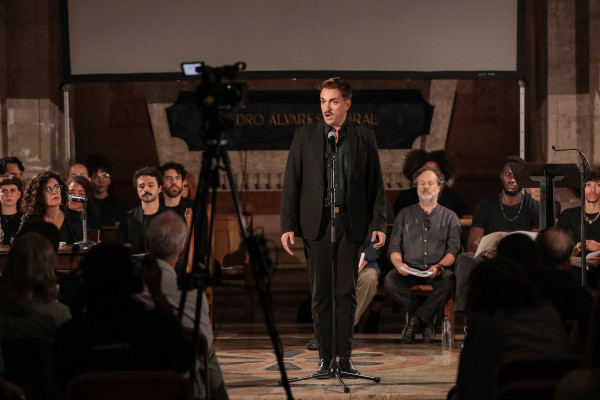
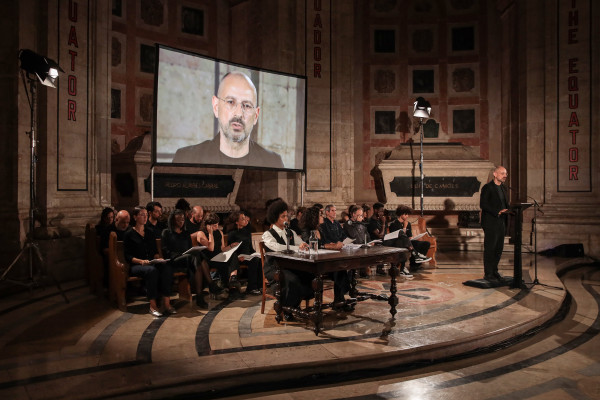
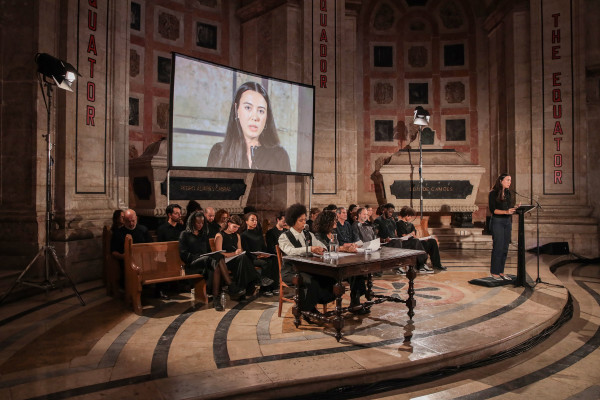
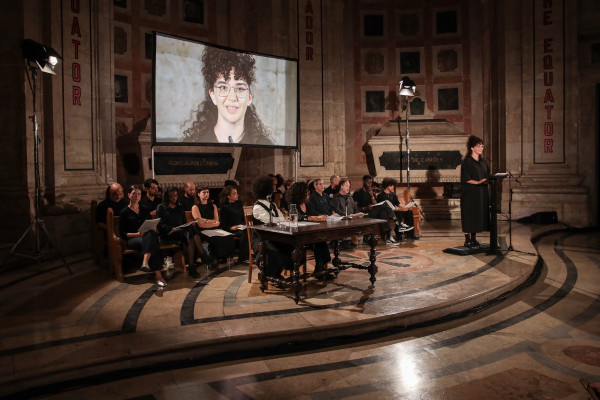
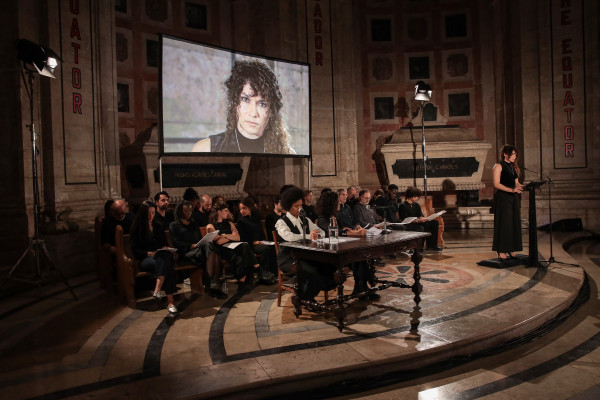
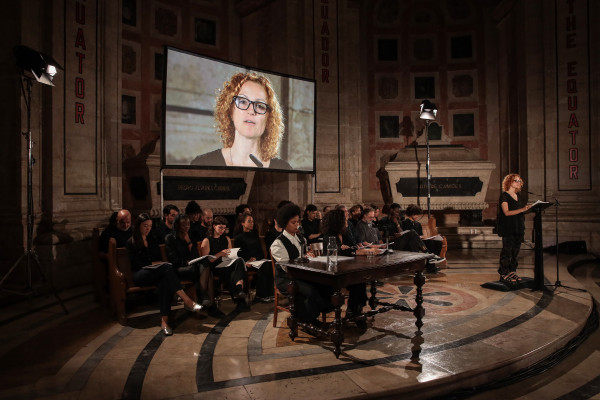
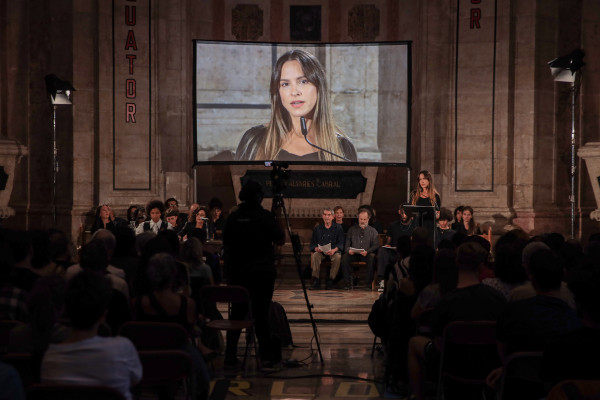
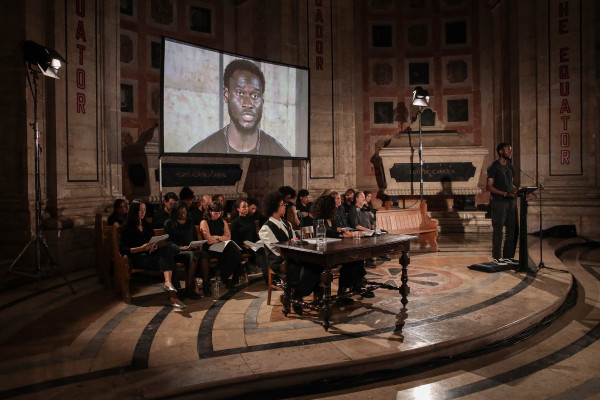
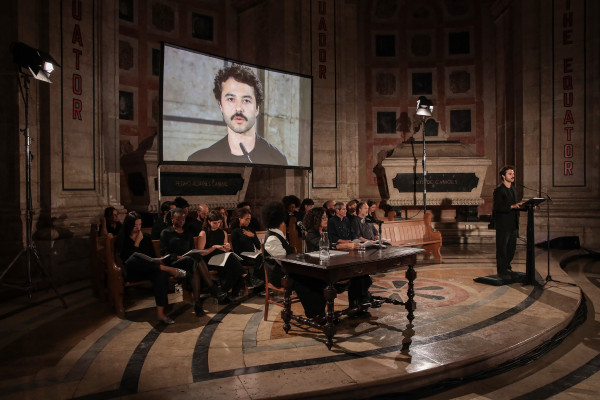
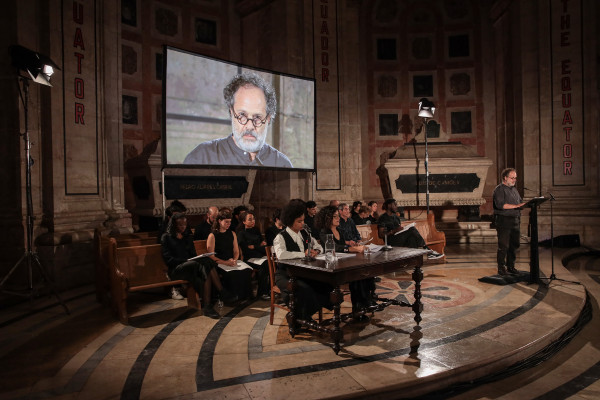
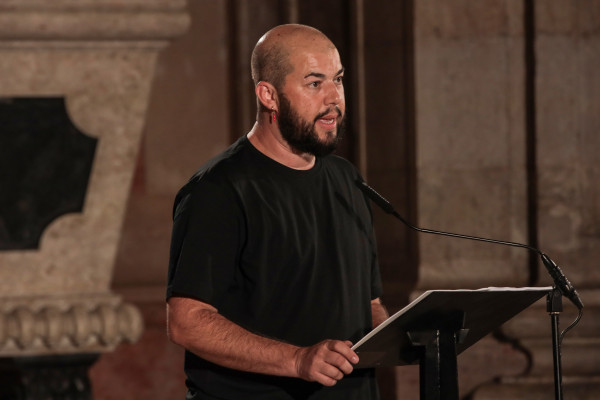
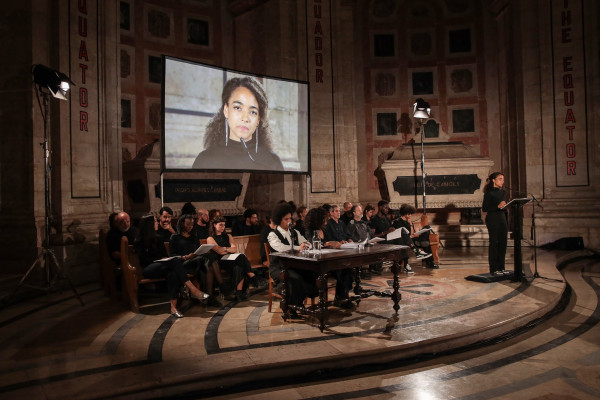
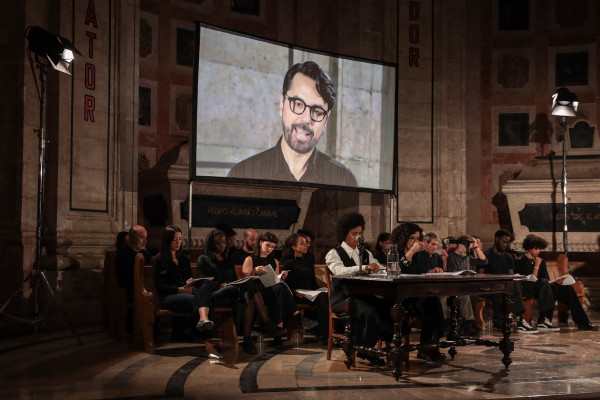
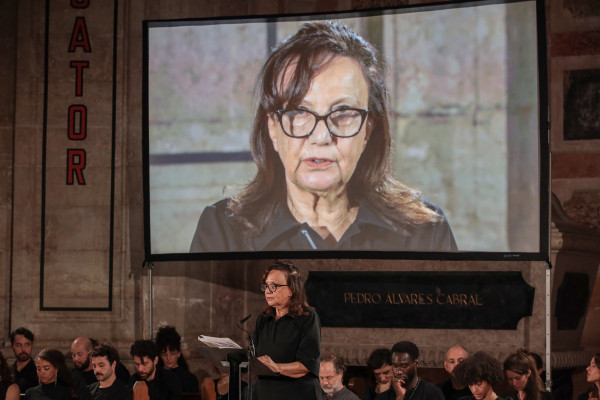
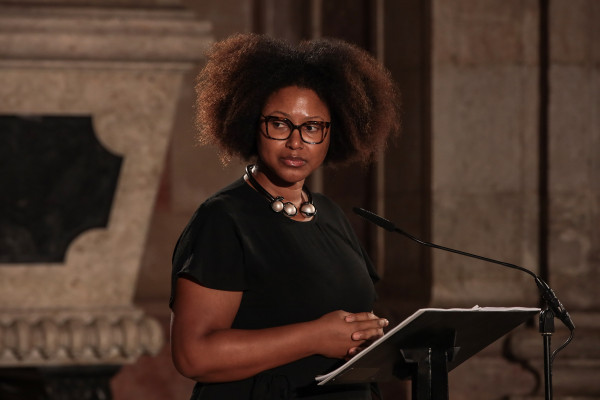
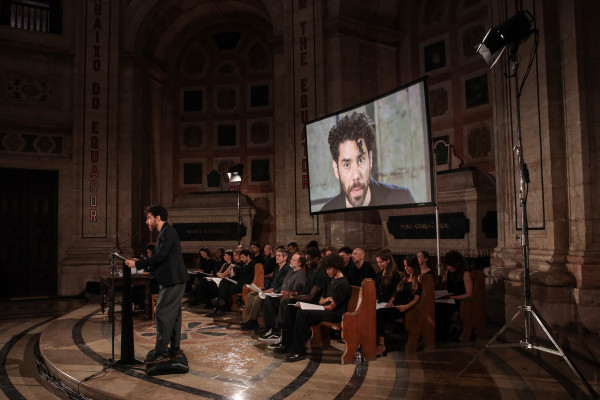
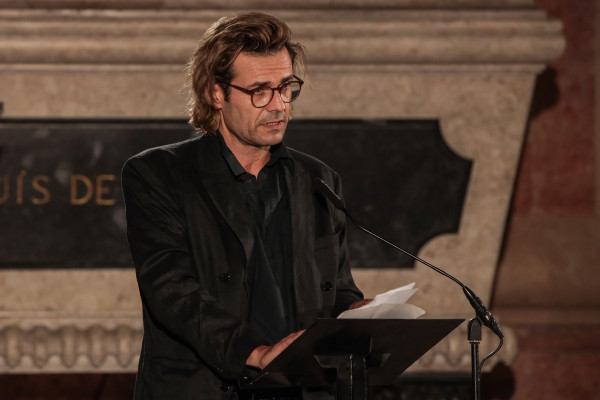
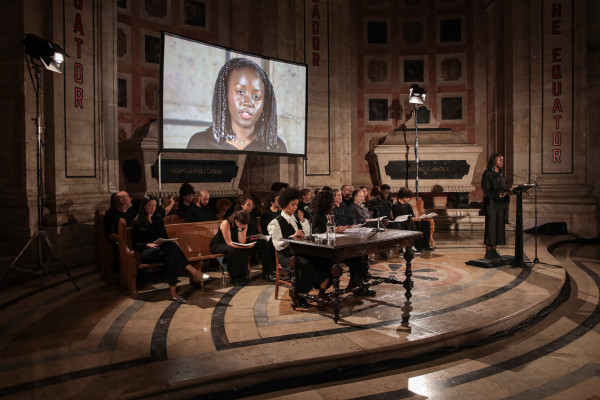
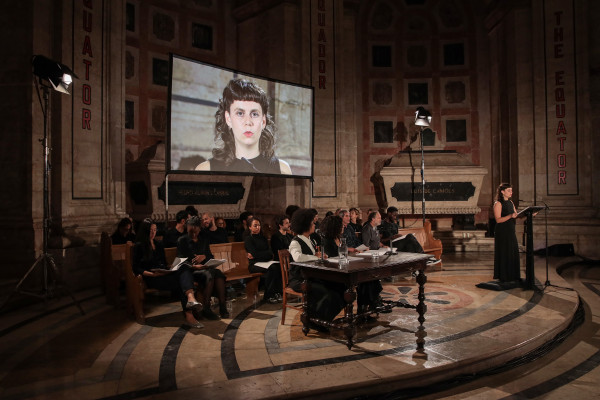
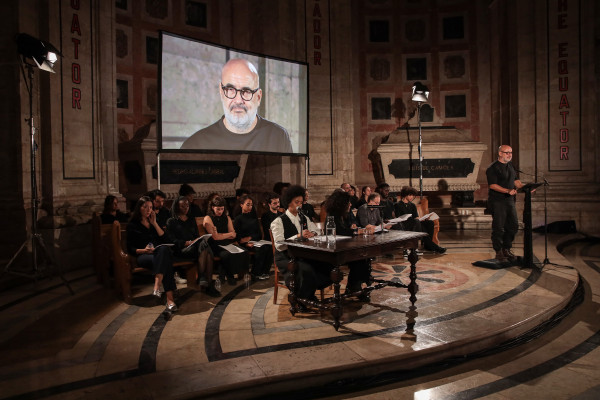
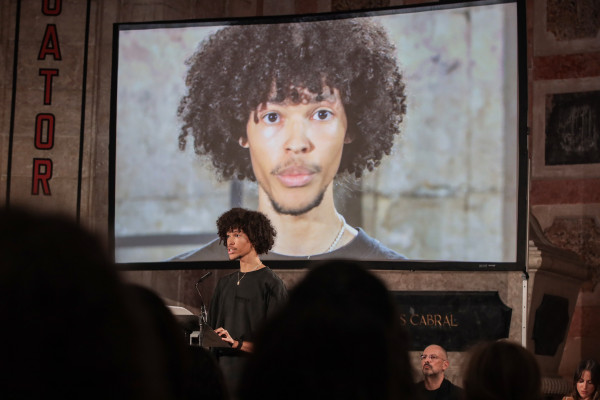
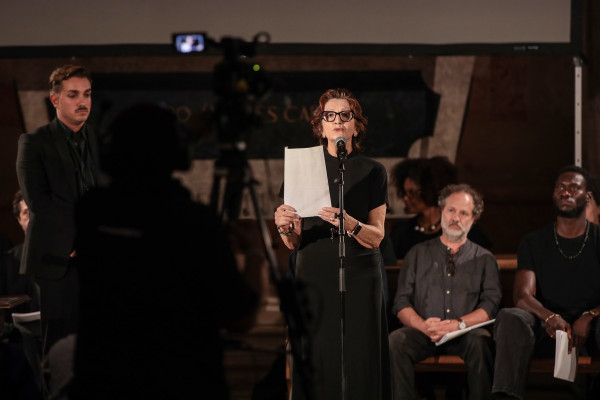
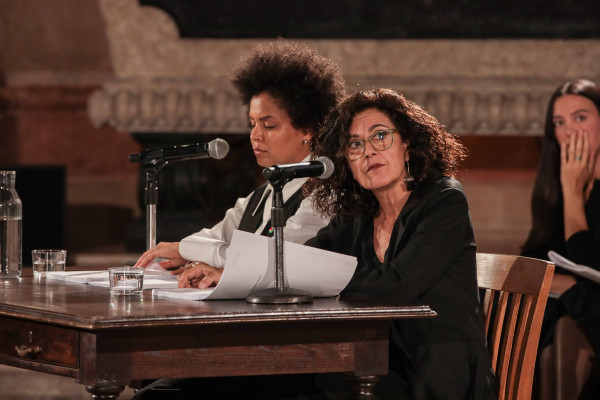
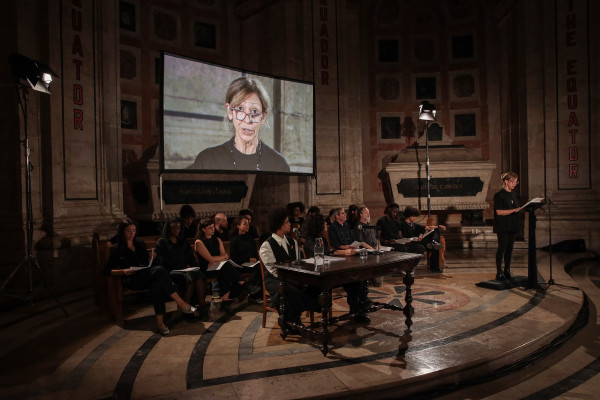
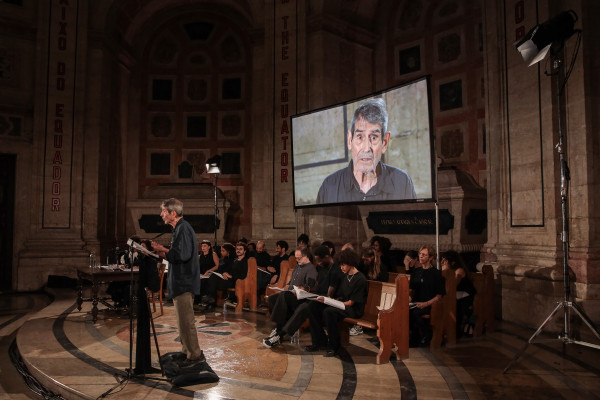
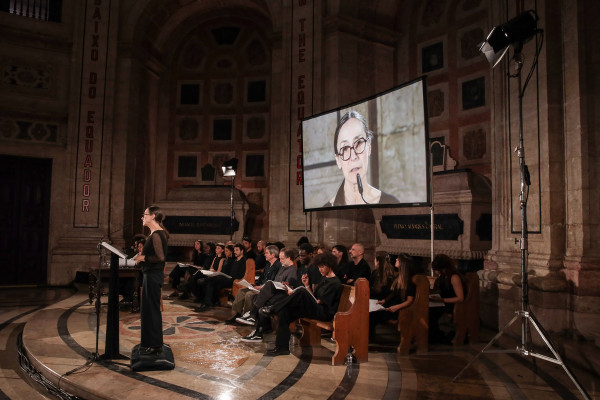
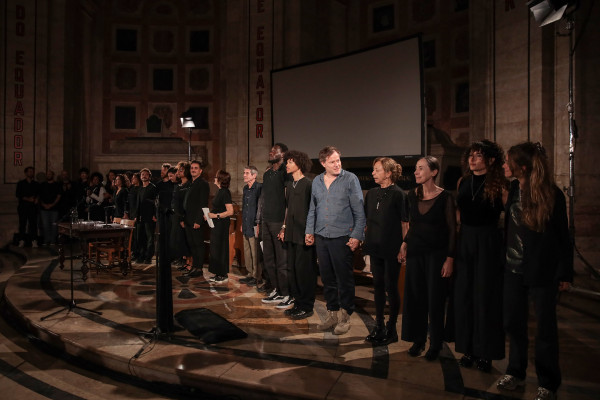
Conceived as a performative vigil, the stage transforms into an expanded courtroom, where the trial is reconstructed from hundreds of hours of testimonies, evidence, interviews, forensic analyses, visual records, collages, and academic texts. Milo Rau’s staging, in collaboration with playwright and activist Servane Dècle, does not seek to reconstruct the facts, but to create an architecture of listening, memory, and resistance.
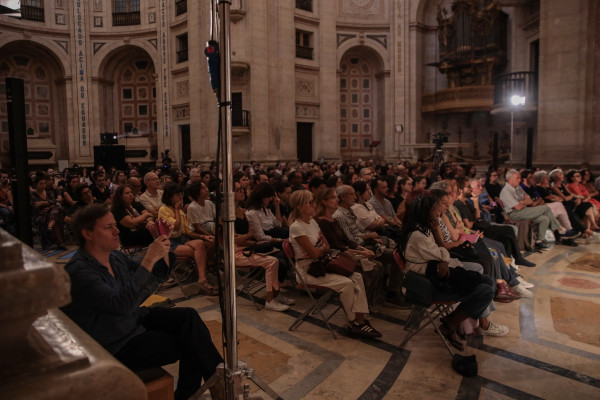
At a time when justice is so often a stage for revictimization, “The Pelicot Trial” restores the dignity of the voice to those who have been silenced. The audience, as witnesses, traverses an emotional and political landscape that makes the terrain of trauma visible. Against the symbolic backdrop of the National Pantheon, this project restores art’s public function: to make us see, to make us feel, and, above all, to make us remember.